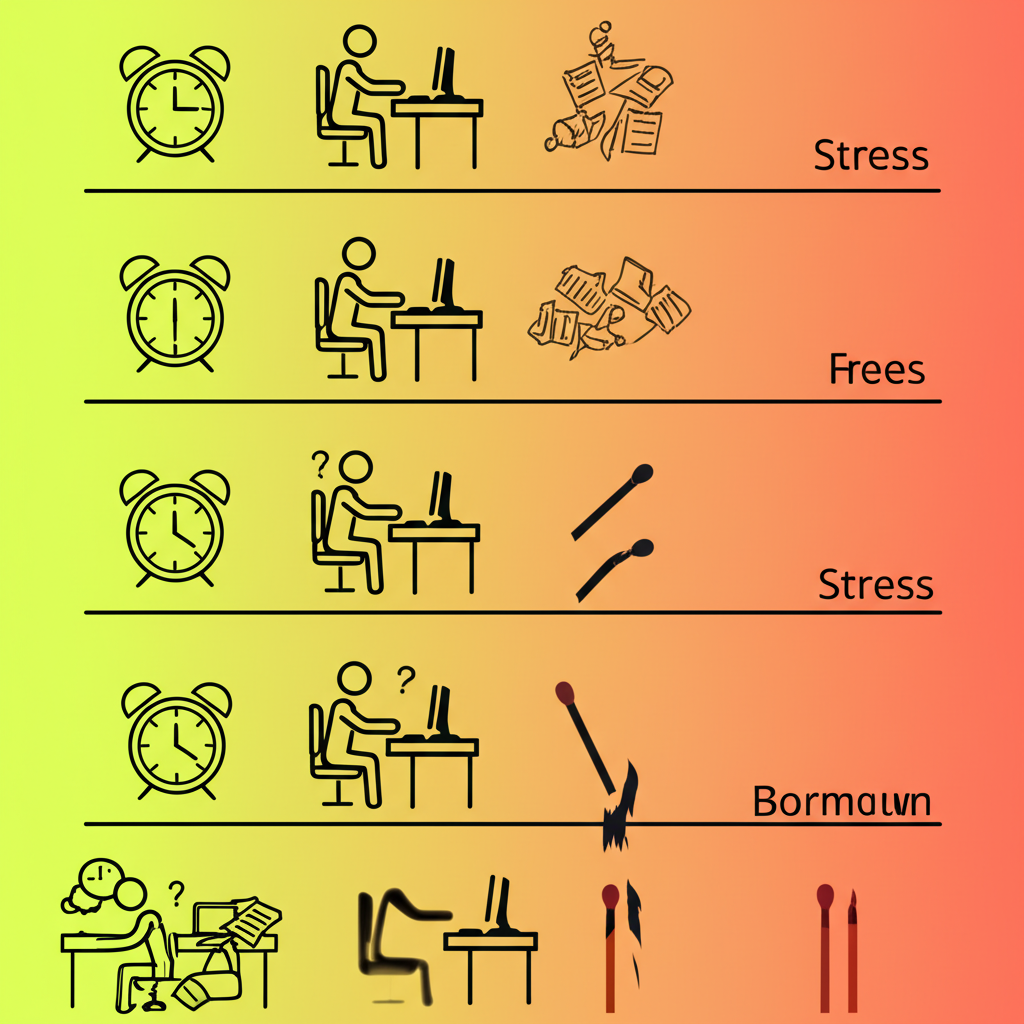
Burnout is a term that has gained considerable attention over the past several years, often used to describe a state of chronic stress leading to physical, emotional, or mental exhaustion. However, it's crucial to differentiate burnout from the occasional stress or anxiety we might feel.
**Understanding Burnout:**
Burnout is a state of emotional, physical, and mental exhaustion caused by prolonged and excessive stress. Unlike regular stress, which tends to come and go, burnout is a pervasive, prolonged response to chronic stressors over time, particularly in the workplace. This syndrome not only affects people professionally but also permeates into personal life, impacting overall well-being and efficiency.
The World Health Organization classifies burnout as an occupational phenomenon, not a medical condition, yet its implications for health and productivity are significant. People suffering from burnout may feel overwhelmed, emotionally drained, and unable to meet constant demands. As the stress continues, they begin to lose the interest and motivation that led them to take on a certain role in the first place.
**Differentiating Burnout from Stress and Anxiety:**
Stress is usually short-term and triggered by an external factor, motivating individuals to do something to alleviate it. For example, a looming deadline at work can cause stress, but once the deadline is met, the stress typically dissipates. Stress can sometimes also feel energizing, as the pressure pushes individuals to achieve their goals.
Anxiety, while often related to stress, is an emotional response characterized by feelings of tension, worried thoughts, and physical changes such as increased blood pressure. It can be triggered by personal stressors or anticipation of future events, often without an immediate source, unlike stress which has a direct identifiable component.
Burnout, distinct from both stress and anxiety, is more about feeling empty, lacking motivation, and beyond caring. People experiencing burnout often struggle with chronic feelings of hopelessness, helplessness, and disillusionment, reflecting deeper emotional responses and a significant depletion of psychological resources.
**The Stages of Burnout: A Progressive Decay**
Burnout does not occur overnight. It is a gradual process that creeps up on you when you repeatedly encounter stressors without proper management. Experts often outline several stages of burnout, which vary slightly depending on the diagnostic model but generally include the following:
1. **The Honeymoon Phase:** Initially, individuals may enter a new job, project, or role with high enthusiasm, commitment, and energy. Often, warm relationships and job satisfaction characterize this phase.
2. **Onset of Stress:** As challenges become apparent, the burden of responsibilities begins to outweigh the available support and resources. Small issues start accumulating, leading to increased pressure and stress.
3. **Chronic Stress:** As stress continues without resolution, individuals may notice more persistent symptoms such as fatigue, irritability, reduced productivity, and neglect of personal needs.
4. **Burnout:** This stage is characterized by significant symptoms of exhaustion, cynicism, and inefficacy. Emotional and physical problems may become more pronounced, and individuals may feel detached and develop feelings of job aversion.
5. **Habitual Burnout:** When burnout becomes embedded in a person’s life, they may suffer from ongoing mental, physical, or emotional issues—leading to decreased life satisfaction and potential long-term repercussions.
Recognizing these stages is crucial for implementing early intervention strategies to prevent further decline. Proactively addressing symptoms and engaging in self-care practices can help alleviate the burnout process, restoring one’s balance and well-being.